25/10/2016
26/02/2026
English
Green Promises, Grey Realities: The EU’s Energy Paradox
The European Union presents its energy transition as a pathway toward diversification, resilience, and strategic autonomy. Yet beneath this narrative, the structural realities of Europe’s energy system tell a more complex story. Natural gas and oil remain deeply embedded in the EU’s infrastructure, industrial base, and security framework, even as political commitments to decarbonisation and reduced external dependence intensify.
Since 2022, the EU has pledged to phase out Russian energy imports, and while some shifts in supply patterns have occurred, these changes often reflect the rerouting of dependencies rather than their elimination. The geography of imports has evolved, but the underlying structural reliance on external energy sources continues to shape Europe’s strategic landscape.
This panel will explore the widening gap between political ambition and system constraints in EU energy policy. Focusing on natural gas, oil imports, and the role of innovation and emerging technologies, the discussion will examine how decarbonisation goals intersect with geopolitical realities, long investment cycles, and limited system flexibility. It will also consider whether current strategies meaningfully reduce Europe’s vulnerabilities or simply redefine them under new frameworks. Particular attention will be given to the uneven political and structural realities across EU member states. Hungary, for example, is often portrayed as lagging behind in the energy transition, despite operating within inherited infrastructure constraints and distinct security considerations. At the same time, similar structural dependencies elsewhere in the Union frequently receive less scrutiny.
Finally, the panel will address the role of technological innovation in enabling the transition, while recognising the physical, economic, and temporal limits of systemic change. By examining the intersection of policy, infrastructure, and geopolitical strategy, this discussion seeks to assess whether Europe’s energy transition is genuinely strengthening its security and strategic autonomy - or whether existing dependencies are being reshaped rather than resolved.
Featured Speakers:
- Kevin D. Dayaratna, PhD, Vice President, Center for Statistical Modeling and Scientific Analysis in Policy and Senior Research Fellow in Energy and Climate Policy
- Bernadett Tímea Mátyás, Senior Energy Economist & Analyst
- Samuele Furfari, Professor of Energy Geopolitics and Energy Politics, Free University Brussels; former Senior Official of DG Energy at the European Commission;
- Liliana Śmiech, Director General for International Affairs, Ludovika University of Public Service
Moderator: Mátyás Vajda, Research Fellow, Danube Institute
Details:
Date & time: Thursday, February 26, 2026, 5:30 P.M.
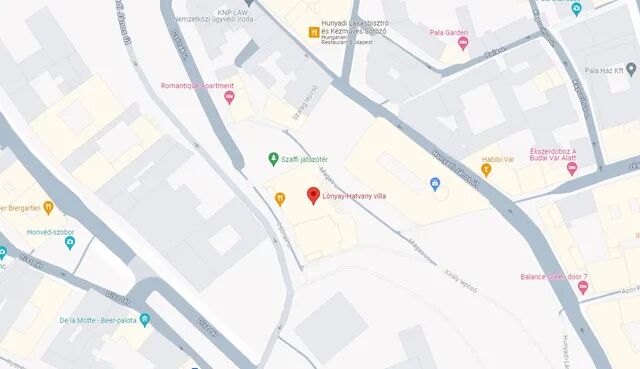
Venue: Lónyay-Hatvany Villa, 1 Csónak Street, 1015 Budapest (Entrance; Aranybástya Restaurant)
Gate opens: 5:00 P.M.
Language: English
Participation is free; however, due to limited seating, pre-registration is required.