06/06/2024
24/06/2026
English
Central European Development Aid in the Age of Resource Scarcity: Challenges and Opportunities
Central Europe emerged from the chains of the Soviet world system as a group of poor countries. The gap with the West has narrowed significantly in the last few decades, transforming all countries, including Hungary, into upper-middle-income status. But with this change, what responsibility do these small nations have toward less developed regions of the world? And if there is a responsibility, what forms should it take? Is it aid, trade, or else? And who are we helping, anyway? The “people”, civil society, nation-states, maybe religious/ethnic minorities?
The speakers will discuss these questions in light of recent Hungarian and Central European experience in international aid, including Hungary’s Hungary Helps Agency. They will also reflect on the global debates following the closure of USAID. All of this, however, with a focus on the question: what happens next, and how should Hungary and its neighbors help regions of the world in need of development?
Confirmed Speakers:
- Dániel Farkas, Researcher at the Danube Institute
- Ádám Gyöngy, Manager at the Danube Institute
- Nicholas Naquin, Visiting Fellow at the Danube Institute
The event also serves as the launch of the Danube Institute’s recent paper, Plateau State: Hungary Helps and an Opportunity to Other ODA Agencies, reflecting on the latest developments in the Danube Institute’s research on Hungarian aid to Nigeria.
Details:
Date & time: Tuesday, 24 June, 2026, 5:30 P.M.
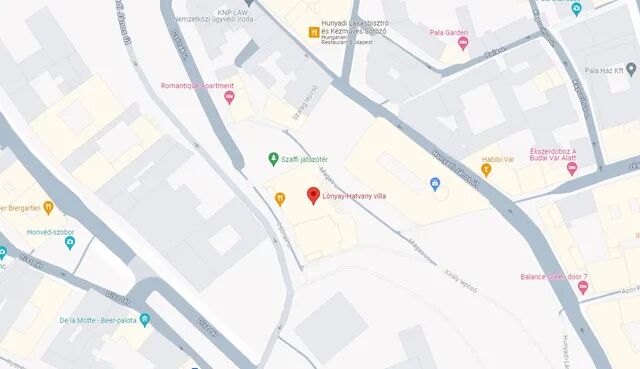
Venue: Lónyay-Hatvany Villa, 1 Csónak Street, 1015 Budapest (Entrance: Aranybástya Restaurant)
Gate opens at 5:00 P.M.
Language: English
Participation is free; however, due to limited seating, pre-registration is required by clicking the button below.