2024. Április 23.
2026.02.11.
English
A Majority of Minorities? A New Look at the Middle East
As the Middle East undergoes profound transformation - from the Israel–Hamas war to the overthrow of the Assad regime in Syria and escalating tensions in Iran - the question of minorities has become more important than ever. These developments have brought long-standing structural vulnerabilities, political arrangements, and demographic pressures into sharper focus.
This conference examines the situation of minority communities in the Middle East through a series of thematic panels addressing identity, governance, and security. It seeks to advance understanding of current dynamics, assess potential future developments, and identify effective courses of action to preserve minority rights, prevent conflict, and support long-term stability. Particular attention is given to whether minority status is fixed or contextual, and to how political and social frameworks shape minority experiences across the region.
The program also explores the role of international assistance in relation to vulnerable minority communities. Discussions focus on competing approaches to support - humanitarian relief, economic assistance, political representation, and international protection - and on the criteria by which the effectiveness and sustainability of such interventions can be evaluated.
Finally, the conference addresses the effects of migration, emigration, remigration, and diaspora formation, examining how these processes transform the structure, cohesion, and functioning of minority communities. These discussions are complemented by comparative perspectives on political models and governance arrangements, as well as forward-looking assessments of the prospects for minorities in the Middle East.
Conference Programme (click here to download)
Master of Ceremonies: Calum T.M. Nicholson, Director of Research of the Danube Institute
09:00-09:10 - Opening Remarks
09:10-10:20 - PANEL I – A Majority of Minorities? - Everyone Is a Minority Somewhere
Dilman Abdulkader, Founder of the American Friends of Kurdistan
Mzahem Alsaloum, Director of the Actionable Consultancy
Mariam Wahba, Research Analyst at the Foundation for Defense of Democracies
Moderator: Ofir Haivry, Vice-President of the Herzl Institute of Jerusalem
10:20-10:35: Coffee Break
10:35-11:00 - KEYNOTE I – Building a Tolerant Society in the Middle East: Is the UAE Model Replicable in Other Countries?
- Dherar Belhoul Al Falasi, Former Speaker of the Federal National Council of the United Arab Emirates
11:00-12:10 - PANEL II – Migration, Emigration, Diasporas and Remigration
Viktor Marsai, Executive Director of the Migration Research Institute
Tsega Gebrekristos Mezgebo, Associate Professor at the Ethiopian Public Service University, Visiting
Fellow at MCC
Omar Sayfo, Head of Research of the Migration Research Institute
Moderator: Kristóf György Veres, International Director of the Danube Institute
12:10-13:05 – Lunch Break
13:10-13:30 - KEYNOTE II – Emerging Geopolitical Order and Disorder in the Middle East: Risks and Opportunities for Regional Minorities
- Paul Salem, Former CEO and President of the Middle East Institute
13:30-14:40 - PANEL III – Post-Liberal International Aid in the Middle East
Charmaine Hedding, President of the Shai Fund
Calum T.M. Nicholson, Director of Research of the Danube Institute
Juliana Taimoorazy, Founder and President of the Iraqi Christian Relief Council
Moderator: Nicholas Naquin, Visiting Fellow at the Danube Institute
14:40-15:00: Coffee Break
15:00-16:10 - PANEL IV – Political Models: Benefits and Drawbacks
Panel Keynote: Mohamad Ali El-Husseini, Head of the Islamic-Arab Council
Marwan Abdallah, Non-Resident Fellow at the Danube Institute
Shadi Khalloul, Founder and President of the Israeli Christian Aramaic Association
Ahmad Sharawi, Senior Research Analyst at Foundation for Defense of Democracies
Moderator: Elie Pieprz, Director of International Relations at IDSF
16:15-17:25 - PANEL V - Perspectives for Minorities in the Middle East?
Mzahem Alsaloum, Director of the Actionable Consultancy
Nir Boms, Director of the Middle East Program at Tel Aviv University
Yacov Hadas-Handelsman, Former Ambassador of Israel to Hungary
Paul Salem, Senior Fellow at the Middle East Institute
Mariam Wahba, Research Analyst at Foundation for Defense of Democracies
Moderator: Nicholas Naquin, Visiting Fellow at the Danube Institute
17:30-17:40 - Closing Remarks
Details:
Date & time: Wednesday, 11 February, 2026, 09:00 A.M.
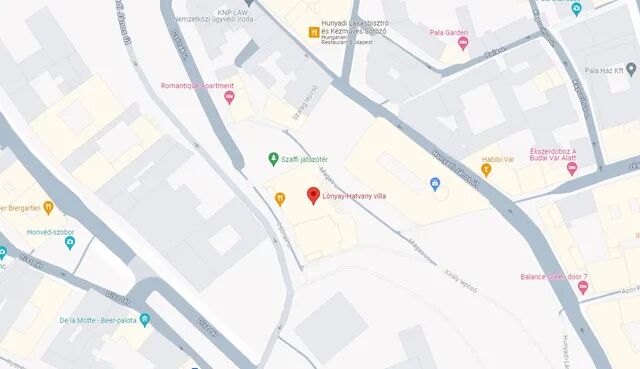
Venue: Lónyay-Hatvany Villa, 1 Csónak Street, 1015 Budapest (Entrance: Aranybástya Restaurant)
Gate opens at 08:30 A.M.
Language: English
Participation is free; however, due to limited seating, pre-registration is required by clicking the button below.