2025. Augusztus 15.
2026.02.17.
English
Why Beautiful Cities Matter
In recent decades, there has been renewed interest in traditional and neotraditional architecture across the Western world. After a century of modernist (and post-modernist) cultural and aesthetic hegemony, the forms, styles, and shapes that have long characterised our cities are making a comeback. Old palaces, destroyed by war and replaced by steel-and-glass buildings, are being rebuilt. New houses and commercial buildings are being designed across Europe in a way that honours cultural heritage. In Budapest, an entire city district is being restored to its pre-War glory. After decades of “form follows function”, form is slowly regaining its long-overdue centrality.
Roger Scruton famously said, “There is a deep human need for beauty, and if you ignore that in architecture, your buildings will not last.” Beauty is more than function; if buildings focus only on utility, they quickly become discarded. And, while beauty can also be found in modernist architecture, it is in traditional architecture that beauty meets harmony in a European urban context. In this event, the speakers will discuss the growth in popularity and relevance of neotraditionalist architecture across the West and the recentering of the idea of ‘beauty’ in political discussions over the urban space.
Featured Speakers:
- Gergely Böszörményi-Nagy, Founder of Brain Bar, Europe’s Festival of the Future
- Eric Norin, Co-founder of the Architectural Uprising-movement, Creator of "Sverigehuset”
- Mikolaj-Slawkowski Rode, Professor, University of Buckingham, Visiting Fellow, MCC
Moderator: Markus Johansson-Martis, Visiting Fellow, Danube Institute
Details:
Date & time: Tuesday, February 17, 2026, 5:30 P.M.
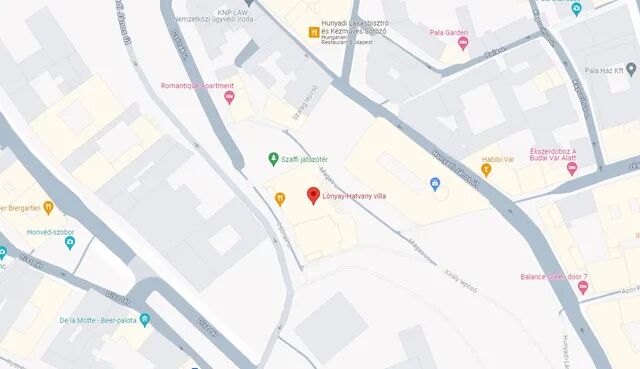
Venue: Lónyay-Hatvany Villa, 1 Csónak Street, 1015 Budapest (Entrance: Aranybástya Restaurant)
Gate opens at 5:00 P.M.
Language: English
Participation is free; however, due to limited seating, pre-registration is required by clicking the button below.